
The Complete Home Buying Process in Ontario
A Professional Step-by-Step Guide for Buyers
Purchasing a home is one of the most important financial decisions you will make. A structured and informed approach helps ensure a smooth process while strengthening your position in a competitive real estate market. The following four steps outline the essential stages of the home buying journey.

Step 1: Prepare Your Finances and Define Your Needs
Before starting your home search, it is important to clearly understand your financial position and property requirements.
Begin by speaking with a qualified lender or mortgage broker to obtain mortgage pre-approval. This process helps determine your maximum borrowing capacity, may allow you to secure a favorable interest rate for a limited period, and shows sellers that you are a serious and financially prepared buyer.
At the same time, define your property preferences carefully. Consider factors such as location, proximity to schools, transportation, workplaces, parks, and other amenities. Decide which property type best suits your lifestyle, whether it is a condominium, townhouse, semi-detached, or detached home.
It is also helpful to identify key features such as the number of bedrooms and bathrooms, parking availability, outdoor space, layout, and potential for future growth. Distinguishing between essential features and optional preferences will make the search process more efficient and focused.

Step 2: Work with a REALTOR® and Start Your Home Search
Partnering with a licensed real estate professional is essential, particularly in competitive markets like Ontario. A REALTOR® provides valuable expertise, access to property listings, and professional representation throughout the process.
Your REALTOR® will help identify suitable properties, schedule showings, and provide insights about pricing, neighborhoods, and recent comparable sales. They will also guide you through the market and help you evaluate each property carefully.
During your search, you may attend private showings and open houses. It is important to ask questions about the property’s condition, the surrounding community, and any relevant history. Taking notes and comparing properties objectively will help you make a confident and informed decision.
In many cases, you may also sign a Buyer Representation Agreement (BRA), which formally establishes the professional relationship and ensures your interests are fully represented.

Step 3: Make an Offer and Complete the Required Conditions
When you find the right property, your REALTOR® will prepare an Agreement of Purchase and Sale (APS) on your behalf. This document outlines the key terms of the offer, including the purchase price, preferred closing date, and any conditions such as financing approval, home inspection, or condominium document review.
The seller may accept the offer, reject it, or provide a counteroffer. Skilled negotiation during this stage is important to secure the best possible outcome.
Once the offer is accepted, you will need to submit a deposit, typically around five percent of the purchase price. This deposit is held in trust by the listing brokerage and forms part of your overall down payment.
If your offer includes conditions, they must be satisfied within the agreed timeframe. Financing approval confirms that your lender will provide the mortgage, a home inspection helps identify potential structural or maintenance issues, and for condominiums, a status certificate review assesses the financial and legal health of the condominium corporation. When all conditions are fulfilled, the agreement becomes firm and legally binding.
Step 4: Complete Legal Requirements and Close the Transaction
To finalize the purchase, you will work with a real estate lawyer, which is required for property transactions in Ontario. Your lawyer will review legal documents, conduct a title search to ensure the property has no liens or ownership issues, and prepare the paperwork needed to transfer ownership.
Before closing, you must also arrange home insurance, which typically covers the structure of the property, personal belongings, and liability protection. Proof of insurance is required by your lender prior to the closing date.
Your lender will then finalize your mortgage and provide the official loan documents for you to sign.
On the closing day, the transaction is completed. Your lawyer transfers the required funds to the seller’s lawyer, the property title is officially registered in your name, and you pay the remaining balance along with land transfer tax and closing costs.
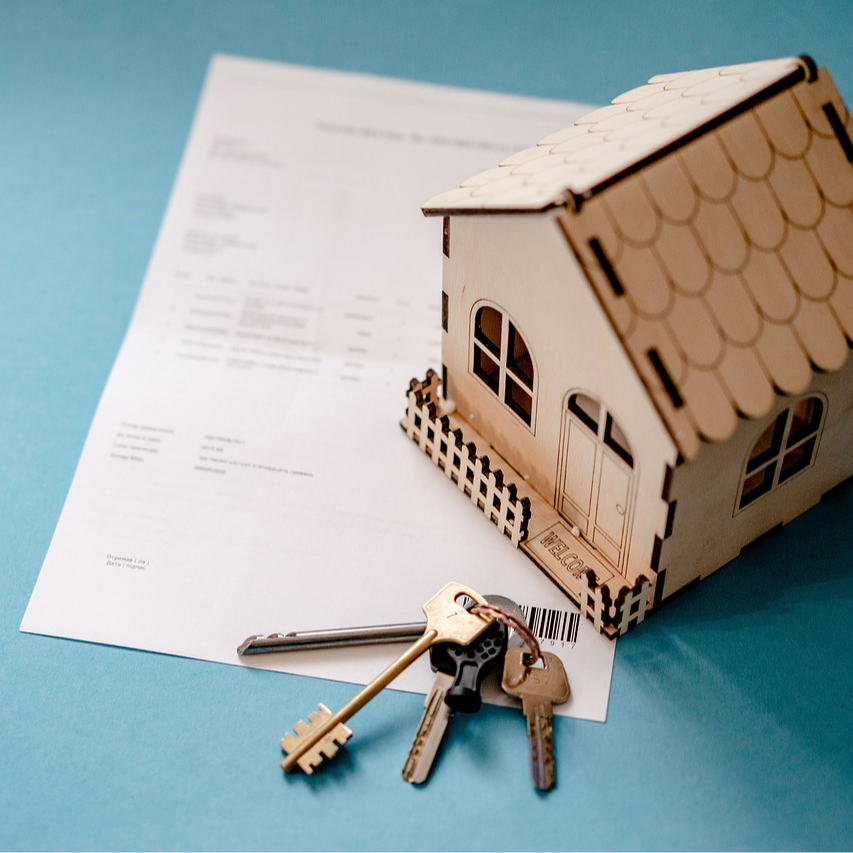
Once everything is finalized, you receive the keys and officially become the owner of your new home.
GET IN TOUCH
Have a question or need assistance? Reach out to me and I'll get back to you as soon as possible.


©Rajesh Tyagi All rights reserved. Information is deemed reliable but not guaranteed. Sourced in part from the Toronto Regional Real Estate Board (TRREB). Provided solely for consumers with a bona fide interest in the purchase, sale, or lease of real estate. Unauthorized use, reproduction, or distribution is strictly prohibited.